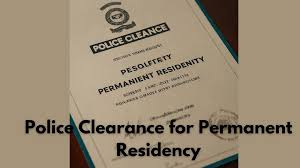
Sometimes, life presents us with opportunities that require proof of our identity and integrity—whether it’s a new job, a visa application, or an important government transaction. Many Filipinos only realize the importance of a Police Clearance when a critical deadline is already close. This guide is here to solve that problem early and help you avoid stressful, last-minute processing.
If you want more helpful guides or step-by-step resources, feel free to visit my official website for more information about police clearance.
What Is Police Clearance?
A Police Clearance is an official document issued by the Philippine National Police (PNP). It proves that you have no criminal record or ongoing case based on their national database. Many companies, agencies, and institutions require this document before they can approve any application or process.
It is important to note that Police Clearance is different from NBI Clearance. While the NBI checks nationwide records across all law-enforcement branches, Police Clearance focuses on the PNP’s national crime database. Both may be needed depending on the transaction.
There are two types:
- National Police Clearance – issued through the National Police Clearance System (NPCS), accepted nationwide.
- Local Police Clearance – issued by local police stations for basic or community-level requirements.
When Do You Need Police Clearance?
You may be asked to present a Police Clearance for many purposes, including:
- Local job applications
- Overseas employment and visa applications
- Government transactions and business permits
- School or scholarship applications
- Personal background verification
- Financial or property processes
- Legal or court-related documentation
Because of its broad use, many people prefer to secure it early to avoid delays.
Requirements for Police Clearance (2025)
Before you start, prepare the following:
1. Valid IDs
You need at least one primary government-issued ID. Examples:
- Passport
- Driver’s License
- UMID or GSIS ID
- SSS ID
- Philippine Postal ID
- Voter’s ID
- PhilHealth ID
If you don’t have a primary ID, bring two secondary IDs.
2. Email Address
You will use this when creating an account in the NPCS online system.
3. Payment for Fees
The typical fee is around ₱150, plus a small system convenience fee depending on payment method.
4. First-Time Jobseeker Exemption
Under the law, first-time jobseekers may get one free Police Clearance. You must bring a Barangay First-Time Jobseeker Certificate.
How to Apply for Police Clearance in the Philippines
A. Applying Online via the NPCS (Recommended)
The online process is the fastest and most organized option.
1. Create an account on the NPCS website
Go to the National Police Clearance System portal. Register with your full name, email, and personal details. Confirm your account through email verification.
2. Complete the online form
Fill in your address, contact information, and other required fields. Make sure the details match your IDs exactly.
3. Schedule an appointment
Choose the nearest police station and your preferred date and time. The system will generate a Reference Number, which you must bring on the day of your appointment.
4. Pay the fee
You can pay through GCash, LandBank, or partner payment centers. Keep your receipt.
5. Go to the station for biometrics
Bring your valid IDs and reference number. Your picture, fingerprints, and signature will be captured.
6. Get your Police Clearance
If there is no “hit”, your clearance will be printed within minutes.
If there is a “hit,” it means the system found a similar name. Verification may take a few days.
B. Walk-In Application (Local Police Clearance)
Some towns still issue local Police Clearance without online scheduling.
However, this version is often not accepted for major requirements such as visas or formal employment. It may be useful only for community-level needs.
Validity and Verification
Police Clearance is usually valid for six (6) months from the date of issue.
Your printed document will include a QR code, which anyone can scan to verify its authenticity. This helps prevent fraud and improves transparency.
If your clearance shows a “hit,” do not panic. The PNP simply needs to confirm that you are not the same person as someone in their system. This is common for those with common names.
Common Issues and How to Avoid Them
Here are some simple tips to ensure a smooth experience:
- Use IDs that are not expired and with clear photos.
- Double-check your name spelling and personal details.
- Pay online early to avoid delays at payment centers.
- Arrive at the station at least 15 minutes before your schedule.
- Keep a digital photo of your receipt and reference number.
- Avoid peak days like Mondays and after holidays.
Conclusion
Getting a Police Clearance in the Philippines is now much easier thanks to the online NPCS system. As long as you prepare your valid IDs, follow the registration steps, and show up on time, you can complete the entire process in less than an hour.
Whether you need it for a new job, a visa, or a major personal transaction, securing your Police Clearance early will save you time and stress. It is a simple document, but it opens the door to many important opportunities.
If you want more helpful guides or step-by-step resources, feel free to visit my official website for more information about PNP PAIS.